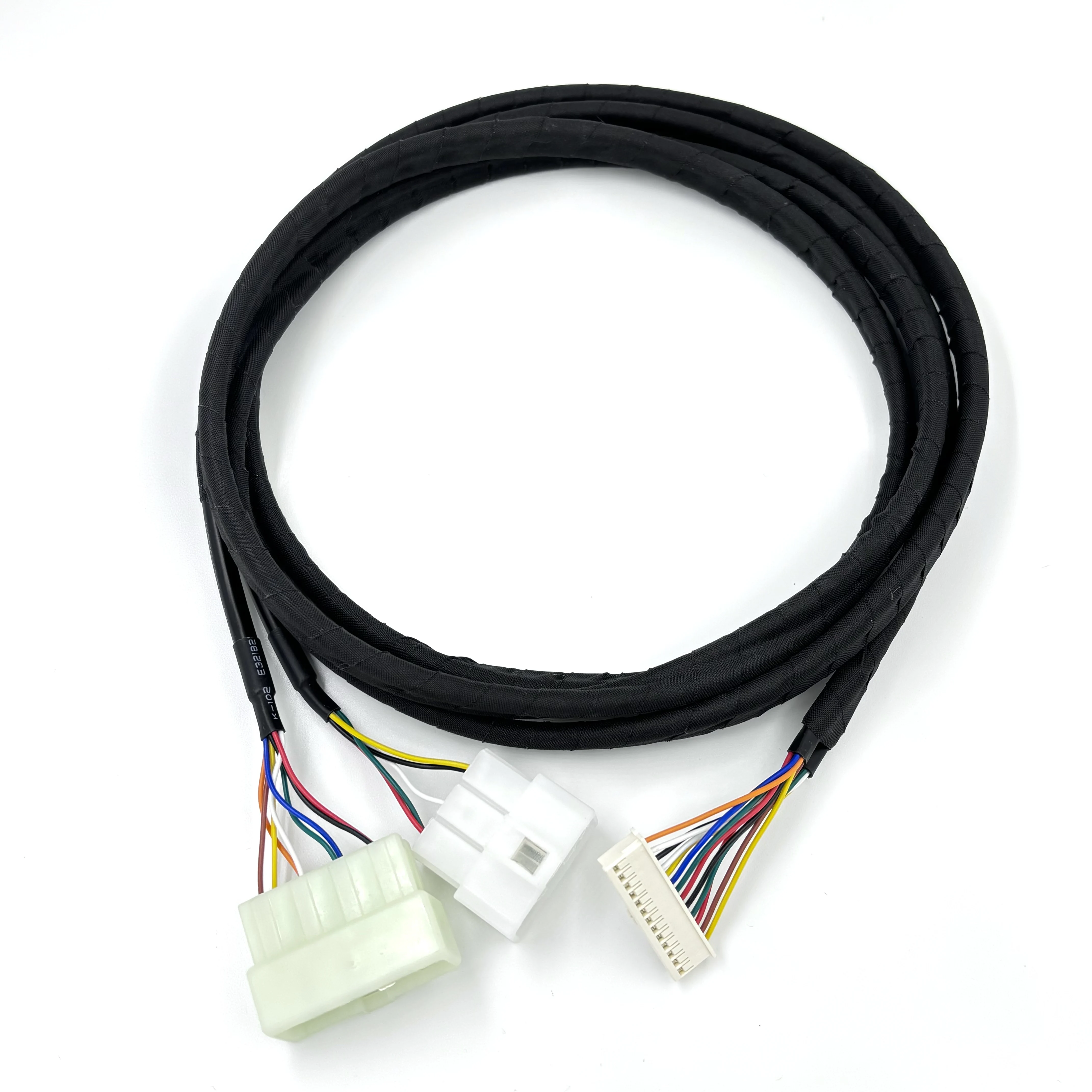
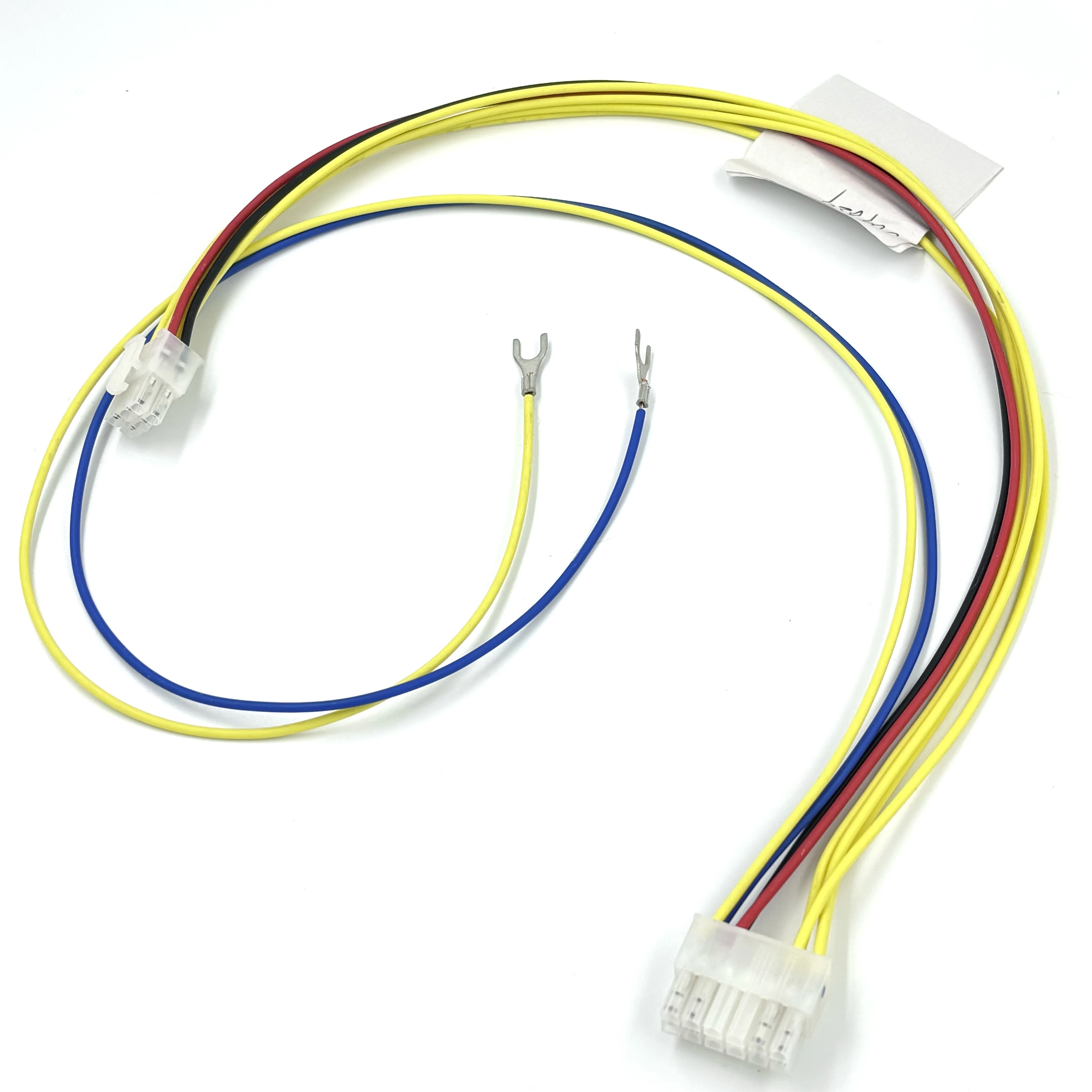
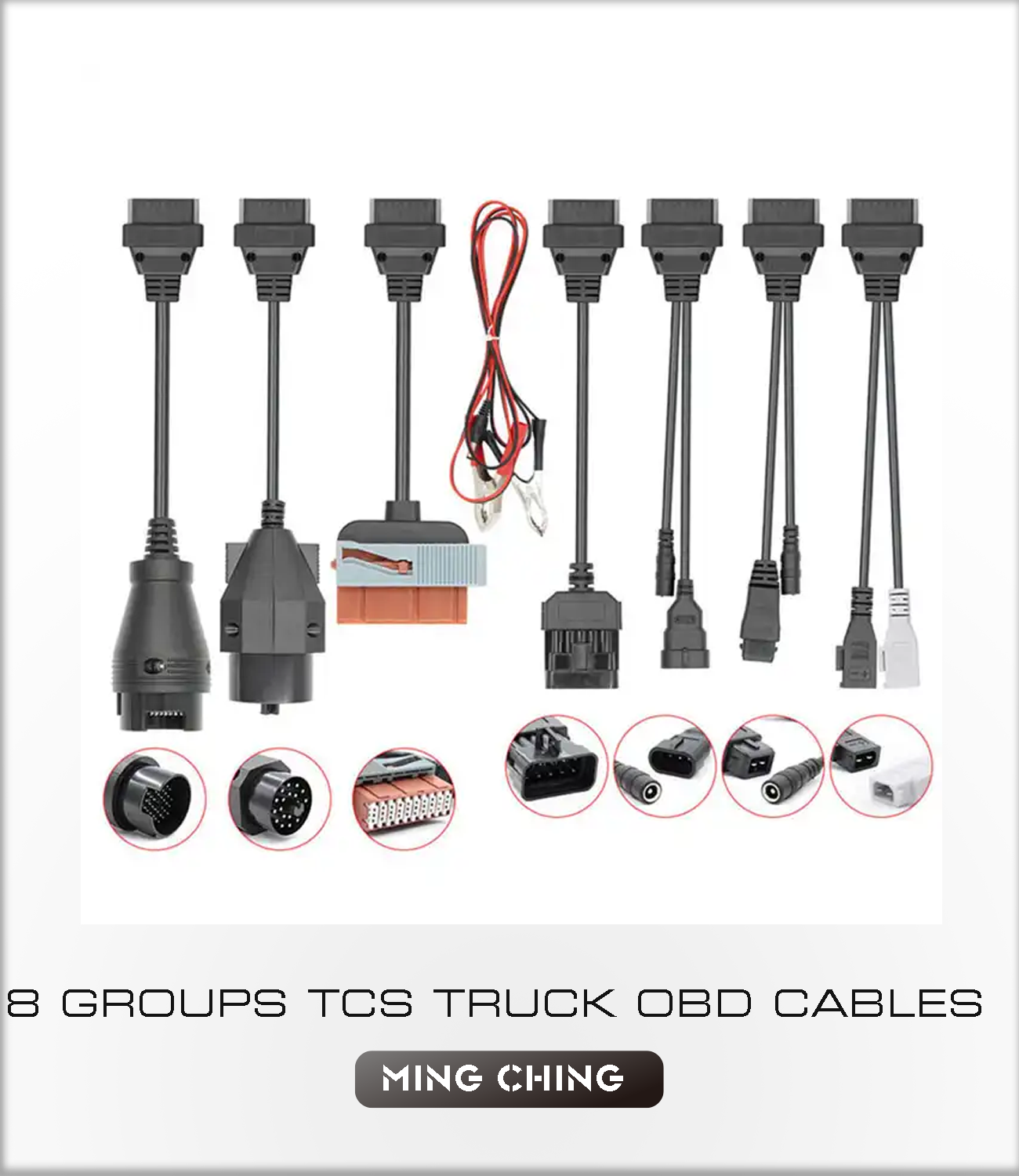
Modern vehicle diagnostics rely on seamless communication between hardware and software, with OBD diagnostic cables serving as the critical bridge. These cables enable mechanics and technicians to access standardized data streams from a vehicle's electronic control unit (ECU), transforming raw signals into actionable insights.
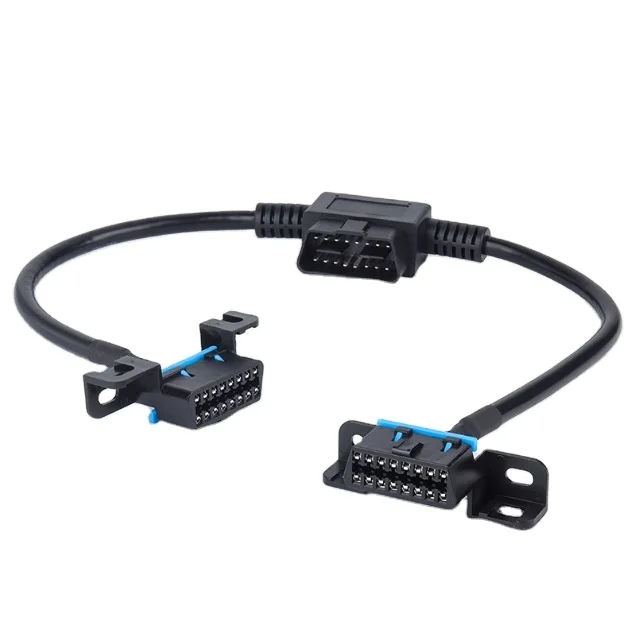
OBD cables serve as the bridge between a car's OBD-II port and various diagnostic equipment or computer programs. The 16 pin connector became standard back in 1996 across most American gas powered cars, giving mechanics consistent access to things like engine performance metrics, emissions readings, and error codes stored in the vehicle's computer. According to research published in Automotive Engineering Journal last year, around 95% of vehicles made after 2000 have these ports built in. That makes sense why garages rely so heavily on OBD cables today when diagnosing problems with newer models. Mechanics can't really work efficiently without them anymore.
The OBD ecosystem comprises three key elements:
These components work in tandem through OBD cables to provide real-time diagnostics.
SAE J1962 sets the rules for a universal 16 pin DLC connector, which works on almost all cars these days. Around 98 percent of vehicles on the road today are compatible with this setup. What does this mean? Mechanics no longer need different cables for different brands when working on cars. Repair shops benefit greatly from this because they handle so many different types of vehicles in their daily work. Take a look at any garage and see how handy it is. The same diagnostic tool will find problems like engine misfires whether it's connected to a brand new Ford F series truck or some recent model from Toyota. This kind of standard really simplifies things for technicians who deal with all sorts of makes and models every day.
High-quality OBD cables feature:
Field tests by fleet operators show that durable cables reduce diagnostic errors by 62% compared to generic alternatives.
OBD diagnostic cables basically serve as the link between a car's ECU and whatever diagnostic equipment is being used. They connect to around 70 different sensors throughout the vehicle that keep an eye on everything from engine performance to emissions levels, transmission function, and various safety features. The Environmental Protection Agency mandates that OBD-II systems monitor emissions standards across 33 states in America. This happens because these systems constantly exchange information in real time between all those sensors, the ECU, and whatever scanning device is connected. Good quality cables have specially designed connectors that hold up against extreme heat or cold, which helps ensure important data points such as oxygen sensor measurements or fuel adjustment values get transmitted accurately without interference.
Cars today depend on standard protocols such as ISO 15765 (CAN), ISO 9141, and SAE J1850 for making sense of all that diagnostic info. Those OBD cables basically convert the old fashioned analog signals from sensors into something digital that works with scan tools, following specs laid out in the SAE J1962 connectors. The CAN bus system can handle data speeds of around 1 Mbps, which means technicians can check several different car systems at once without any signal problems. What makes life easier for mechanics is this standardization across brands. A technician can troubleshoot a Toyota Camry's transmission issues using pretty much the same steps they'd use to look into emissions problems on a Ford F150. This uniform approach saves time and reduces confusion when working on different makes and models.
The CAN bus system made its debut back in 2008 and changed how OBD communications work. Instead of separate wires for each component, these systems let over 40 different ECUs talk to each other using just one cable. The result? Much simpler wiring layouts that cut down on complexity by around two thirds when compared to what was used before. Plus, it makes finding problems easier too. If there's a misfire somewhere, the CAN bus knows which ECU codes matter most, such as those starting with P0300, so mechanics can track down exactly which cylinder is causing trouble without wasting time. And this technology isn't just good for basic diagnostics anymore either. With CAN protocols now widely accepted across the industry, we've seen some pretty cool advancements appear, including live data streaming capabilities. During actual road testing conditions, important parameters like throttle position and engine coolant temperatures refresh approximately once per tenth of a second, giving technicians much better insight into vehicle performance than ever before possible.
Diagnostic cables for OBD systems let both mechanics and car buffs keep an eye on important stuff like engine speed, coolant temps, and where the throttle is positioned right now. Getting this information while the vehicle runs makes it possible to spot problems before they get really bad. Take overheating or engine misfires for instance. When fuel pressure plummets suddenly or oxygen sensors start acting strange, these warning signs appear much earlier than traditional methods would catch them. According to some research from Ponemon back in 2023, fixing things this way instead of waiting until something breaks down can cut repair bills around 34%. Most newer OBD II cables work with CAN bus systems too, which means better talking between all those sensors inside the car and whatever tool someone connects to check everything out.
When plugged into a car's diagnostic port, these cables open up access to around 100 different ECU parameters that mechanics find really useful. We're talking about things like fuel trim adjustments, how the spark plugs fire at certain times, and even how much exhaust gets recirculated back into the engine. Getting this information helps figure out why that annoying check engine light came on or what's causing the car to run worse than usual. A lot of technicians will look at MAF sensor numbers alongside real time RPM measurements when trying to track down problems with air intake systems. For folks testing emissions compliance, they need those specific readings about how well the catalytic converter is doing its job, which comes through special interfaces that follow the SAE J1979 standards most modern vehicles use.
Real-time diagnostics empower users to optimize vehicle performance and fuel efficiency. For instance, studies show drivers who adjust acceleration patterns based on live fuel-consumption data reduce annual fuel costs by 12–18%. Advanced applications include:
Fleet managers leverage this capability for preventive maintenance, while performance enthusiasts use ECU data logs to refine transmission shift points and ignition curves. The integration of vehicle diagnostic cable assemblies with cloud-based analytics platforms further enhances long-term trend analysis and predictive diagnostics.
Cars today come equipped with something called Diagnostic Trouble Codes, or DTCs for short. These codes help mechanics figure out what's wrong when the onboard computer detects a problem. Think of them as little messages from the car itself. For instance, code P0300 means there's an engine misfire somewhere, while P0171 points to a lean fuel mixture issue. Mechanics can read these codes across different parts of the vehicle including engines, transmissions, and emission controls. According to recent data from HTC Auto Repair in their 2023 report, around 8 out of 10 auto repair shops depend heavily on these OBD-II protocols to speed up diagnosis times. Basically, whenever sensors pick up anything unusual like strange readings from oxygen sensors or if misfires happen too often according to the ECU's settings, those trouble lights start flashing and codes get stored until someone checks them.
Diagnostic Trouble Codes (DTCs) team up with these things called Parameter IDs (PIDs) to give mechanics all sorts of live sensor info about what's going on under the hood. We're talking stuff like how fast the engine is spinning, what temperature the coolant is at, or where exactly the throttle is positioned. When any of those PID numbers start acting funny compared to what the car maker says they should be doing something strange happens inside the Engine Control Unit. Take catalytic converters for instance if their efficiency drops below 95% as happens sometimes after years of driving around town then bingo! The ECU writes down a specific DTC code somewhere deep in its memory banks. Mechanics love this connection between live PID readings and stored codes because it cuts down on all that second guessing during repairs. Instead of randomly swapping parts hoping something sticks, they can actually see what went wrong right there on screen while working on the vehicle.
OBD diagnostic cables act as the bridge between a vehicle's DLC port and scan tools, enabling code retrieval and system analysis. Advanced scanners display:
Leading diagnostic software pairs with OBD-II interface cables to decode manufacturer-specific codes, streamlining repairs for ABS, airbag, or transmission systems. A 2023 industry report notes that technicians using bidirectional scan tools reduce diagnostic time by 37% compared to manual methods.
When connected to OBD diagnostic cables, modern diagnostic software turns all that messy vehicle data into something useful for technicians. The software basically reads what's going on inside the car's computer brain, letting mechanics check things like how efficiently the engine is burning fuel or whether the exhaust system is working properly. Most shops rely on industry standards like ISO 15765-4 for their CAN protocols because these rules help different brands of equipment actually work together instead of creating compatibility headaches. A recent 2024 report showed pretty impressive results too – garages that stuck with standard OBD-II connections made 32% fewer mistakes during diagnostics than those using cheaper, non-standard tools. Makes sense really, since proper tools save time and money in the long run.
Techs working in repair shops depend heavily on those OBD cables that have strong connectors and wiring protected against interference so they hold up through constant handling. Good quality cables will handle checking out over fifty cars each day without losing signal strength something we've seen happen time and again with fleet maintenance operations. Many modern diagnostic systems come with built-in code readers these days, which cuts down diagnosis time dramatically compared to what it used to take. Instead of spending hours figuring out why a car is throwing a code like P0171 meaning the engine is running too lean, mechanics get answers within minutes most of the time.
Proactive monitoring through OBD interfaces helps identify issues like deteriorating oxygen sensors before they trigger warning lights. Fleet operators using scheduled scan protocols report 28% fewer roadside breakdowns, according to 2023 telematics data. This approach extends component lifespans by aligning maintenance with actual vehicle usage patterns rather than fixed intervals.
OBD stands for On-Board Diagnostics, a standardized system that allows access to data related to vehicle health and performance.
OBD cables connect diagnostic tools to a vehicle’s OBD port, enabling the retrieval of data and trouble codes for effective diagnostics and repair.
Most vehicles manufactured after 1996 are equipped with OBD-II ports and thus compatible with OBD diagnostic cables.
DTCs are codes generated by a vehicle’s ECU indicating specific issues or malfunctions detected by onboard diagnostics.
Modern vehicle diagnostics rely on seamless communication between hardware and software, with OBD diagnostic cables serving as the critical bridge. These cables enable mechanics and technicians to access standardized data streams from a vehicle's electronic control unit (ECU), transforming raw signals into actionable insights.
OBD cables serve as the bridge between a car's OBD-II port and various diagnostic equipment or computer programs. The 16 pin connector became standard back in 1996 across most American gas powered cars, giving mechanics consistent access to things like engine performance metrics, emissions readings, and error codes stored in the vehicle's computer. According to research published in Automotive Engineering Journal last year, around 95% of vehicles made after 2000 have these ports built in. That makes sense why garages rely so heavily on OBD cables today when diagnosing problems with newer models. Mechanics can't really work efficiently without them anymore.
The OBD ecosystem comprises three key elements:
These components work in tandem through OBD cables to provide real-time diagnostics.
SAE J1962 sets the rules for a universal 16 pin DLC connector, which works on almost all cars these days. Around 98 percent of vehicles on the road today are compatible with this setup. What does this mean? Mechanics no longer need different cables for different brands when working on cars. Repair shops benefit greatly from this because they handle so many different types of vehicles in their daily work. Take a look at any garage and see how handy it is. The same diagnostic tool will find problems like engine misfires whether it's connected to a brand new Ford F series truck or some recent model from Toyota. This kind of standard really simplifies things for technicians who deal with all sorts of makes and models every day.
High-quality OBD cables feature:
Field tests by fleet operators show that durable cables reduce diagnostic errors by 62% compared to generic alternatives.
OBD diagnostic cables basically serve as the link between a car's ECU and whatever diagnostic equipment is being used. They connect to around 70 different sensors throughout the vehicle that keep an eye on everything from engine performance to emissions levels, transmission function, and various safety features. The Environmental Protection Agency mandates that OBD-II systems monitor emissions standards across 33 states in America. This happens because these systems constantly exchange information in real time between all those sensors, the ECU, and whatever scanning device is connected. Good quality cables have specially designed connectors that hold up against extreme heat or cold, which helps ensure important data points such as oxygen sensor measurements or fuel adjustment values get transmitted accurately without interference.
Cars today depend on standard protocols such as ISO 15765 (CAN), ISO 9141, and SAE J1850 for making sense of all that diagnostic info. Those OBD cables basically convert the old fashioned analog signals from sensors into something digital that works with scan tools, following specs laid out in the SAE J1962 connectors. The CAN bus system can handle data speeds of around 1 Mbps, which means technicians can check several different car systems at once without any signal problems. What makes life easier for mechanics is this standardization across brands. A technician can troubleshoot a Toyota Camry's transmission issues using pretty much the same steps they'd use to look into emissions problems on a Ford F150. This uniform approach saves time and reduces confusion when working on different makes and models.
The CAN bus system made its debut back in 2008 and changed how OBD communications work. Instead of separate wires for each component, these systems let over 40 different ECUs talk to each other using just one cable. The result? Much simpler wiring layouts that cut down on complexity by around two thirds when compared to what was used before. Plus, it makes finding problems easier too. If there's a misfire somewhere, the CAN bus knows which ECU codes matter most, such as those starting with P0300, so mechanics can track down exactly which cylinder is causing trouble without wasting time. And this technology isn't just good for basic diagnostics anymore either. With CAN protocols now widely accepted across the industry, we've seen some pretty cool advancements appear, including live data streaming capabilities. During actual road testing conditions, important parameters like throttle position and engine coolant temperatures refresh approximately once per tenth of a second, giving technicians much better insight into vehicle performance than ever before possible.
Diagnostic cables for OBD systems let both mechanics and car buffs keep an eye on important stuff like engine speed, coolant temps, and where the throttle is positioned right now. Getting this information while the vehicle runs makes it possible to spot problems before they get really bad. Take overheating or engine misfires for instance. When fuel pressure plummets suddenly or oxygen sensors start acting strange, these warning signs appear much earlier than traditional methods would catch them. According to some research from Ponemon back in 2023, fixing things this way instead of waiting until something breaks down can cut repair bills around 34%. Most newer OBD II cables work with CAN bus systems too, which means better talking between all those sensors inside the car and whatever tool someone connects to check everything out.
When plugged into a car's diagnostic port, these cables open up access to around 100 different ECU parameters that mechanics find really useful. We're talking about things like fuel trim adjustments, how the spark plugs fire at certain times, and even how much exhaust gets recirculated back into the engine. Getting this information helps figure out why that annoying check engine light came on or what's causing the car to run worse than usual. A lot of technicians will look at MAF sensor numbers alongside real time RPM measurements when trying to track down problems with air intake systems. For folks testing emissions compliance, they need those specific readings about how well the catalytic converter is doing its job, which comes through special interfaces that follow the SAE J1979 standards most modern vehicles use.
Real-time diagnostics empower users to optimize vehicle performance and fuel efficiency. For instance, studies show drivers who adjust acceleration patterns based on live fuel-consumption data reduce annual fuel costs by 12–18%. Advanced applications include:
Fleet managers leverage this capability for preventive maintenance, while performance enthusiasts use ECU data logs to refine transmission shift points and ignition curves. The integration of vehicle diagnostic cable assemblies with cloud-based analytics platforms further enhances long-term trend analysis and predictive diagnostics.
Cars today come equipped with something called Diagnostic Trouble Codes, or DTCs for short. These codes help mechanics figure out what's wrong when the onboard computer detects a problem. Think of them as little messages from the car itself. For instance, code P0300 means there's an engine misfire somewhere, while P0171 points to a lean fuel mixture issue. Mechanics can read these codes across different parts of the vehicle including engines, transmissions, and emission controls. According to recent data from HTC Auto Repair in their 2023 report, around 8 out of 10 auto repair shops depend heavily on these OBD-II protocols to speed up diagnosis times. Basically, whenever sensors pick up anything unusual like strange readings from oxygen sensors or if misfires happen too often according to the ECU's settings, those trouble lights start flashing and codes get stored until someone checks them.
Diagnostic Trouble Codes (DTCs) team up with these things called Parameter IDs (PIDs) to give mechanics all sorts of live sensor info about what's going on under the hood. We're talking stuff like how fast the engine is spinning, what temperature the coolant is at, or where exactly the throttle is positioned. When any of those PID numbers start acting funny compared to what the car maker says they should be doing something strange happens inside the Engine Control Unit. Take catalytic converters for instance if their efficiency drops below 95% as happens sometimes after years of driving around town then bingo! The ECU writes down a specific DTC code somewhere deep in its memory banks. Mechanics love this connection between live PID readings and stored codes because it cuts down on all that second guessing during repairs. Instead of randomly swapping parts hoping something sticks, they can actually see what went wrong right there on screen while working on the vehicle.
OBD diagnostic cables act as the bridge between a vehicle's DLC port and scan tools, enabling code retrieval and system analysis. Advanced scanners display:
Leading diagnostic software pairs with OBD-II interface cables to decode manufacturer-specific codes, streamlining repairs for ABS, airbag, or transmission systems. A 2023 industry report notes that technicians using bidirectional scan tools reduce diagnostic time by 37% compared to manual methods.
When connected to OBD diagnostic cables, modern diagnostic software turns all that messy vehicle data into something useful for technicians. The software basically reads what's going on inside the car's computer brain, letting mechanics check things like how efficiently the engine is burning fuel or whether the exhaust system is working properly. Most shops rely on industry standards like ISO 15765-4 for their CAN protocols because these rules help different brands of equipment actually work together instead of creating compatibility headaches. A recent 2024 report showed pretty impressive results too – garages that stuck with standard OBD-II connections made 32% fewer mistakes during diagnostics than those using cheaper, non-standard tools. Makes sense really, since proper tools save time and money in the long run.
Techs working in repair shops depend heavily on those OBD cables that have strong connectors and wiring protected against interference so they hold up through constant handling. Good quality cables will handle checking out over fifty cars each day without losing signal strength something we've seen happen time and again with fleet maintenance operations. Many modern diagnostic systems come with built-in code readers these days, which cuts down diagnosis time dramatically compared to what it used to take. Instead of spending hours figuring out why a car is throwing a code like P0171 meaning the engine is running too lean, mechanics get answers within minutes most of the time.
Proactive monitoring through OBD interfaces helps identify issues like deteriorating oxygen sensors before they trigger warning lights. Fleet operators using scheduled scan protocols report 28% fewer roadside breakdowns, according to 2023 telematics data. This approach extends component lifespans by aligning maintenance with actual vehicle usage patterns rather than fixed intervals.
OBD stands for On-Board Diagnostics, a standardized system that allows access to data related to vehicle health and performance.
OBD cables connect diagnostic tools to a vehicle’s OBD port, enabling the retrieval of data and trouble codes for effective diagnostics and repair.
Most vehicles manufactured after 1996 are equipped with OBD-II ports and thus compatible with OBD diagnostic cables.
DTCs are codes generated by a vehicle’s ECU indicating specific issues or malfunctions detected by onboard diagnostics.
 Hot News
2024-06-21
2024-06-21
2024-06-21

 EN
EN